The Zapatista is the name of at least two distinct tequila-based cocktails from the craft cocktail scene. Neither has a deep documented connection to the Zapatista movement (the Mexican revolutionary group from Chiapas), though the name likely nods to Mexican heritage given the heavy use of agave spirits like tequila and mezcal.
Here are the two most notable versions:
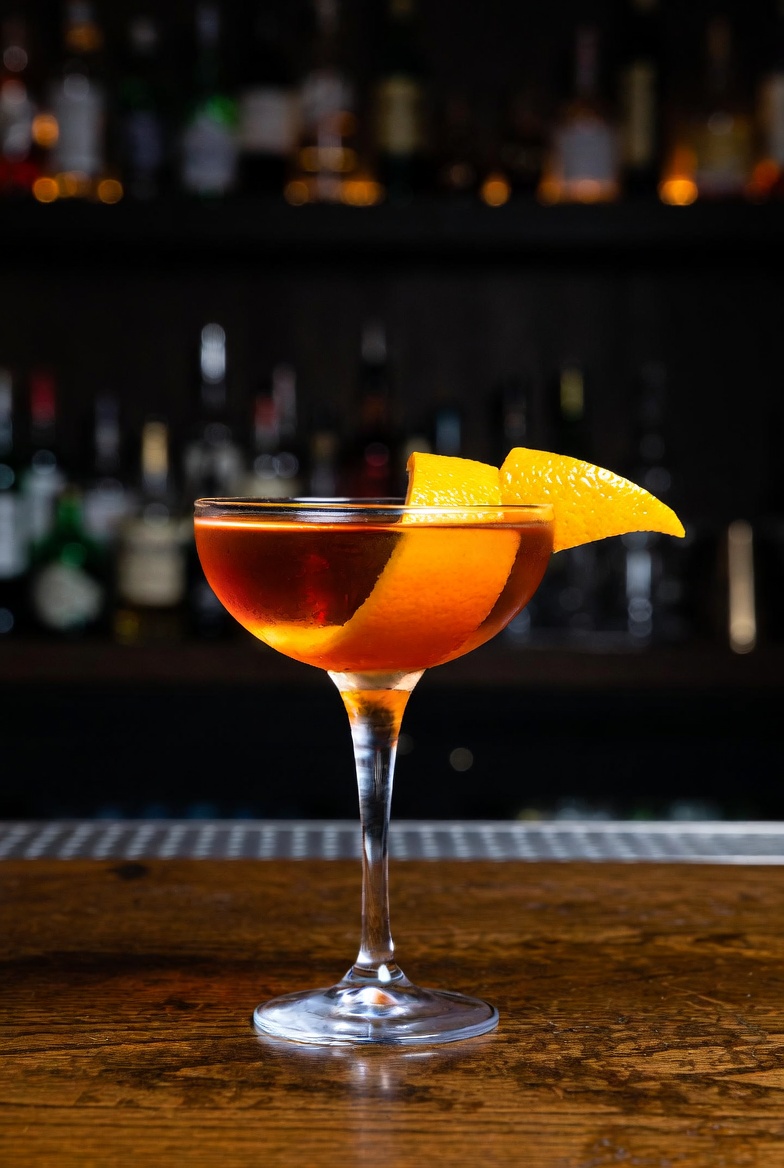
1. The “Agave Red Hook” Style
Created by Paul Calvert at Pura Vida in Atlanta, GA, in 2012. It’s essentially a mezcal-tinged variation on a Red Hook (a Manhattan riff), swapping in agave spirits for the usual rye whiskey.
Ingredients (for one drink)
- 1½ oz reposado tequila
- ¼ oz mezcal (Fidencio Clásico or similar)
- ¾ oz sweet vermouth (Carpano Punt e Mes recommended)
- ¼ oz maraschino liqueur
- 2 dashes bitters (likely aromatic/Angostura-style)
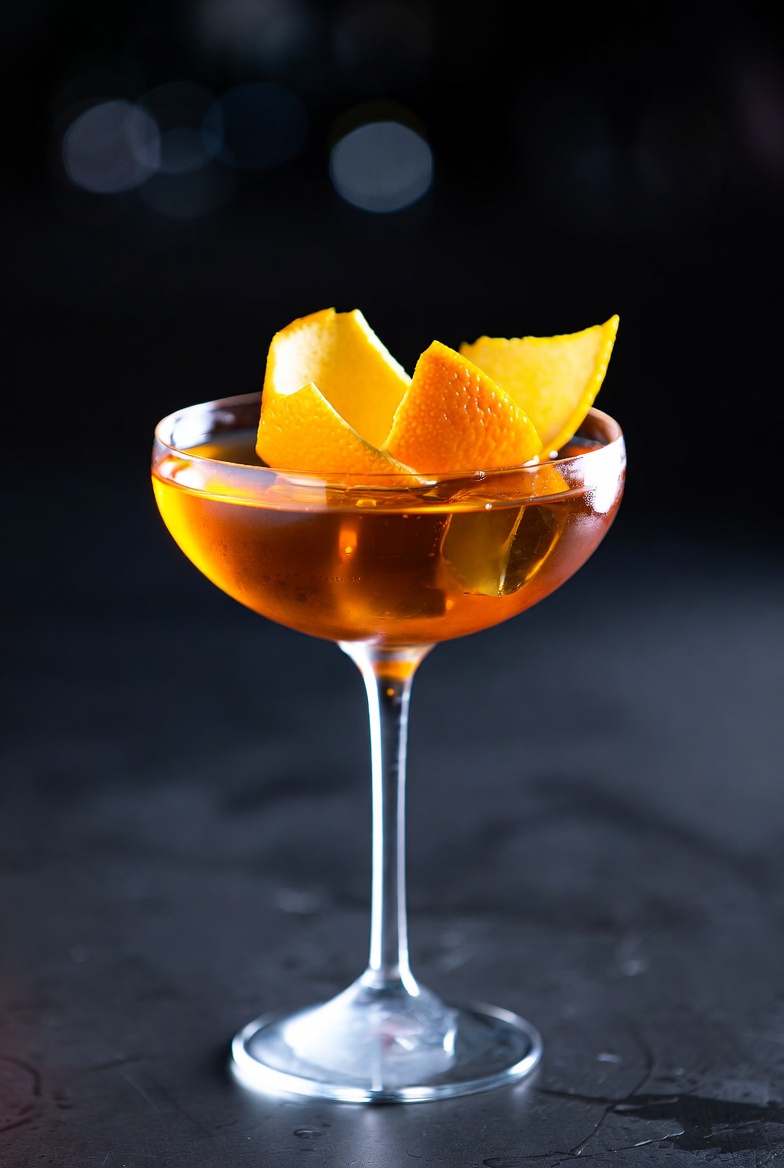
- Garnish: orange peel twist
Instructions
- Stir all ingredients with ice until well-chilled.
- Strain into a chilled coupe or cocktail glass (“up”).
- Express the orange peel over the drink and garnish.
- Tasting notes: It’s spirit-forward, slightly sweet from the vermouth and maraschino, with earthy/smoky agave notes and a bitter backbone. Often described as a “crowd pleaser” in the Manhattan family. Some bartenders note it can feel busy if over-shaken instead of stirred.
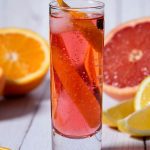
The Bitter Summer Zapatista
Created by Borys Saciuk of 15 Romolo in San Francisco (courtesy of Campari). This one is a brighter, sour-style highball with a bitter edge.I
ngredients
- 1½ oz reposado tequila (Cabo Wabo or similar)
- ¾ oz Campari
- ¾ oz fresh grapefruit juice
- ¼ oz fresh lemon juice
- 1 tbsp agave nectar (or to taste)
- Fresh egg white (for foam)
- Pinch of Indonesian pepper (or similar spice)
Instructions
- Add agave nectar and pepper first to the shaker, then the rest of the ingredients (including egg white).
- Dry shake (without ice) to emulsify, then add ice and shake vigorously.
- Strain over fresh ice into a tall glass.
- Garnish with a long grapefruit peel.
Tasting notes:
Refreshing and bittersweet, with grapefruit cutting through the Campari and agave sweetness. The egg white gives it a silky texture—perfect for warmer weather.There are also occasional one-off bar creations called “El Zapatista” that mix mezcal with rum, orgeat, or other flavors, but the two above are the best-documented recipes.If you’re making one at home, the first version is easier (no egg white or fresh juices required) and feels more “classic” in style.